SCROLL AND DISCOVER
How gut dysbiosis
can throw your skin off balance
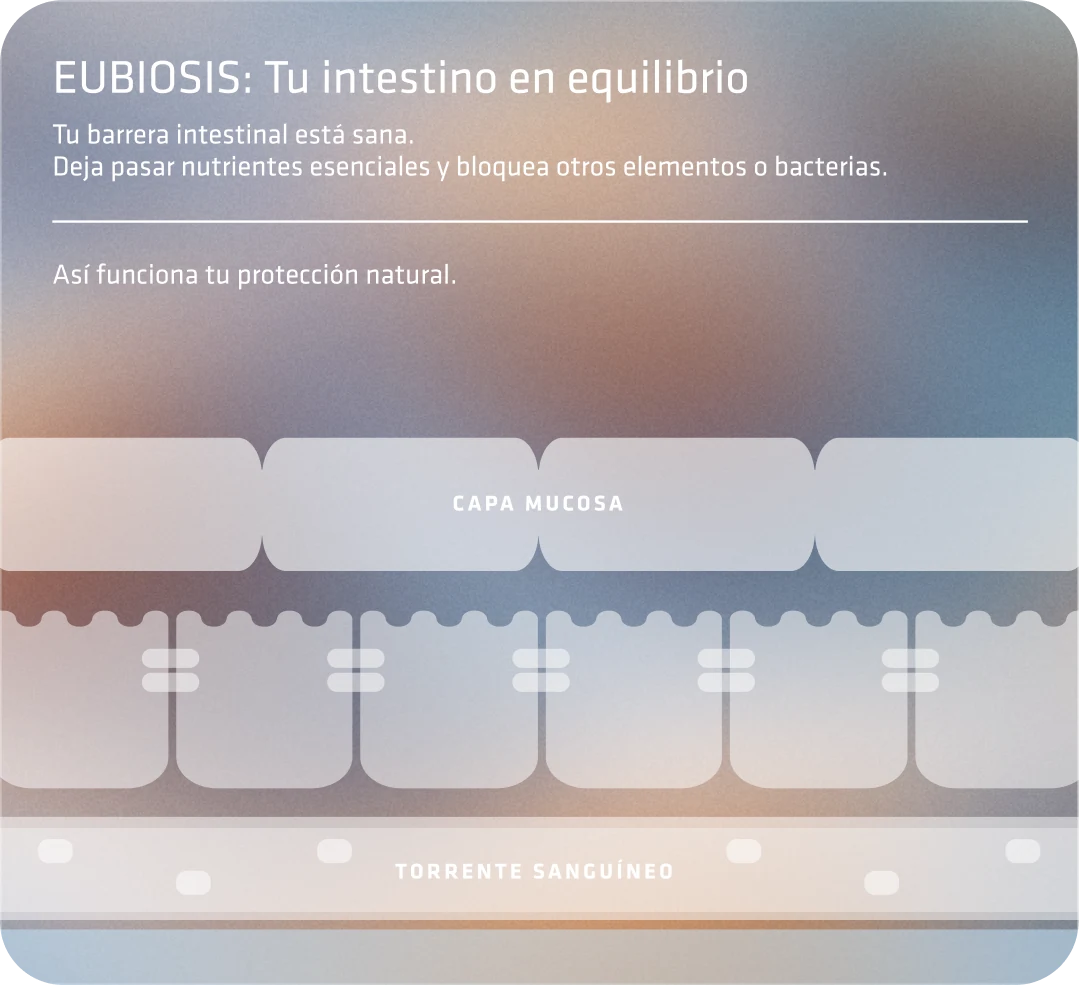
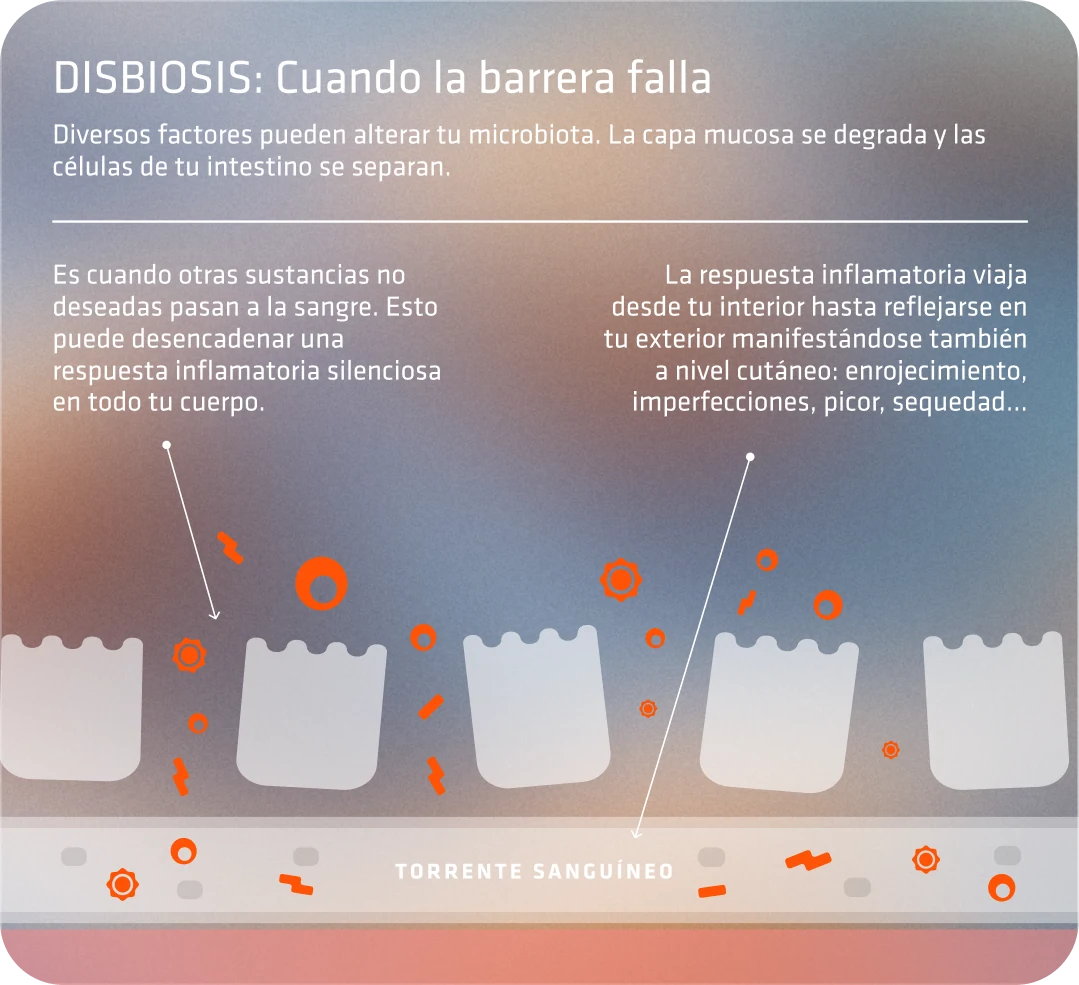
Possible causes of dysbiosis
Ultra-processed diet low in fibre

Use of certain medications (for example, antibiotics)

Lifestyle
Genetic factors
Chronic conditions
Gut microbiota inherited from birth
The true scale of your gut microbiota
Ignoring what is happening in your internal ecosystem means overlooking a fundamental part of your body.
There is no such thing
as "gut flora"
Your gut is not a garden
It is a living, dynamic ecosystem made up of millions of microorganisms that interact constantly. We are talking about bacteria, fungi, viruses, and archaea.
What is the
gut microbiota?
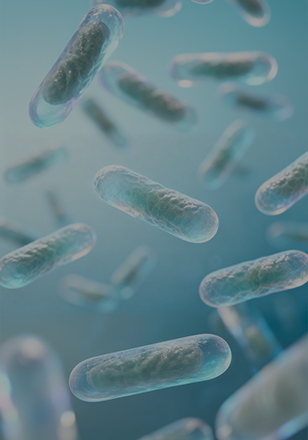
It is the community of those microorganisms that live in your body.
The microbiome is the sum of those microorganisms, their genes, and the particular environment in which they live.
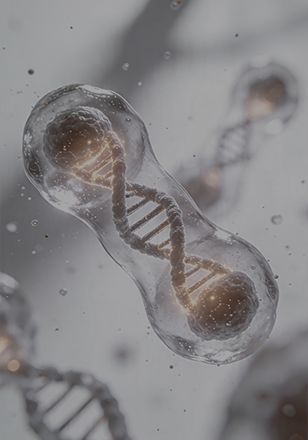
Your genetics do not
end at your cells
Your body has around 23,000 human genes.
But your gut microbiota contributes more than 3,000,000 of its own genes. That is why 99% of your genetic information is not human, but microbial.
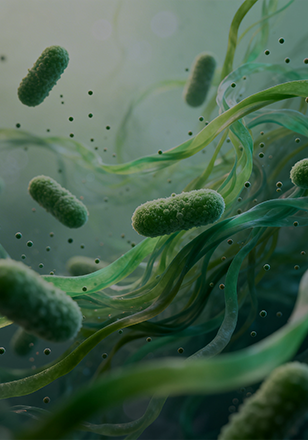
The gut microbiota is
the most important
and diverse
But other microbiotas exist:
Skin, oral, vaginal, and urogenital microbiota, each with a key and unique role in the overall balance of your body.
DermoBiotics®
Your skin health starts in your gut
Not all probiotics are equal
The real benefit of a microorganism does not depend on its broad family, but on its most precise level: the strain.
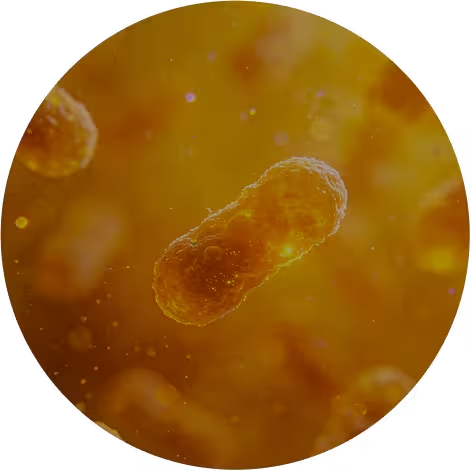
Genus
The broad family
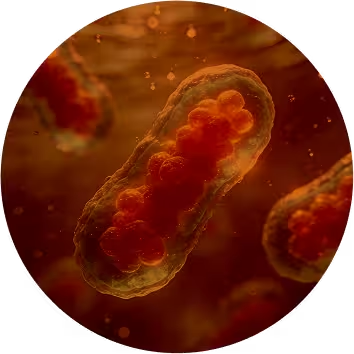
Species
The related group
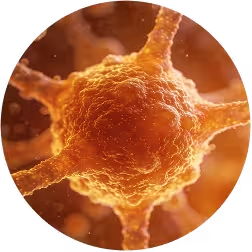
Strain
The specialist
Selecting a probiotic based only on its genus and species is not enough. The strain is what delivers the specific benefit.